French Superyacht Ban Proposal: What It Means for Owners, Charters, and the Industry
At Troyer Yachts, we specialize in connecting discerning clients with exceptional superyacht experiences. Recent news from the French National Assembly has caught the attention of the global yachting community: a proposal (n° 2968, deposited June 23, 2026) by Deputy Thomas Portes and La France Insoumise seeks to ban superyachts of 50 meters and above from French territorial waters and ports. Framed around climate concerns and “dérèglement climatique,” the measure includes steep penalties like fines up to 15% of the vessel’s value, expulsion, and potential state seizure.
While this remains a proposal under review and faces significant opposition, it raises important questions about regulation, economic impact, and the future of Mediterranean yachting. Here’s a balanced look at the potential effects.
Impact on Superyacht Charters Over 50 Meters
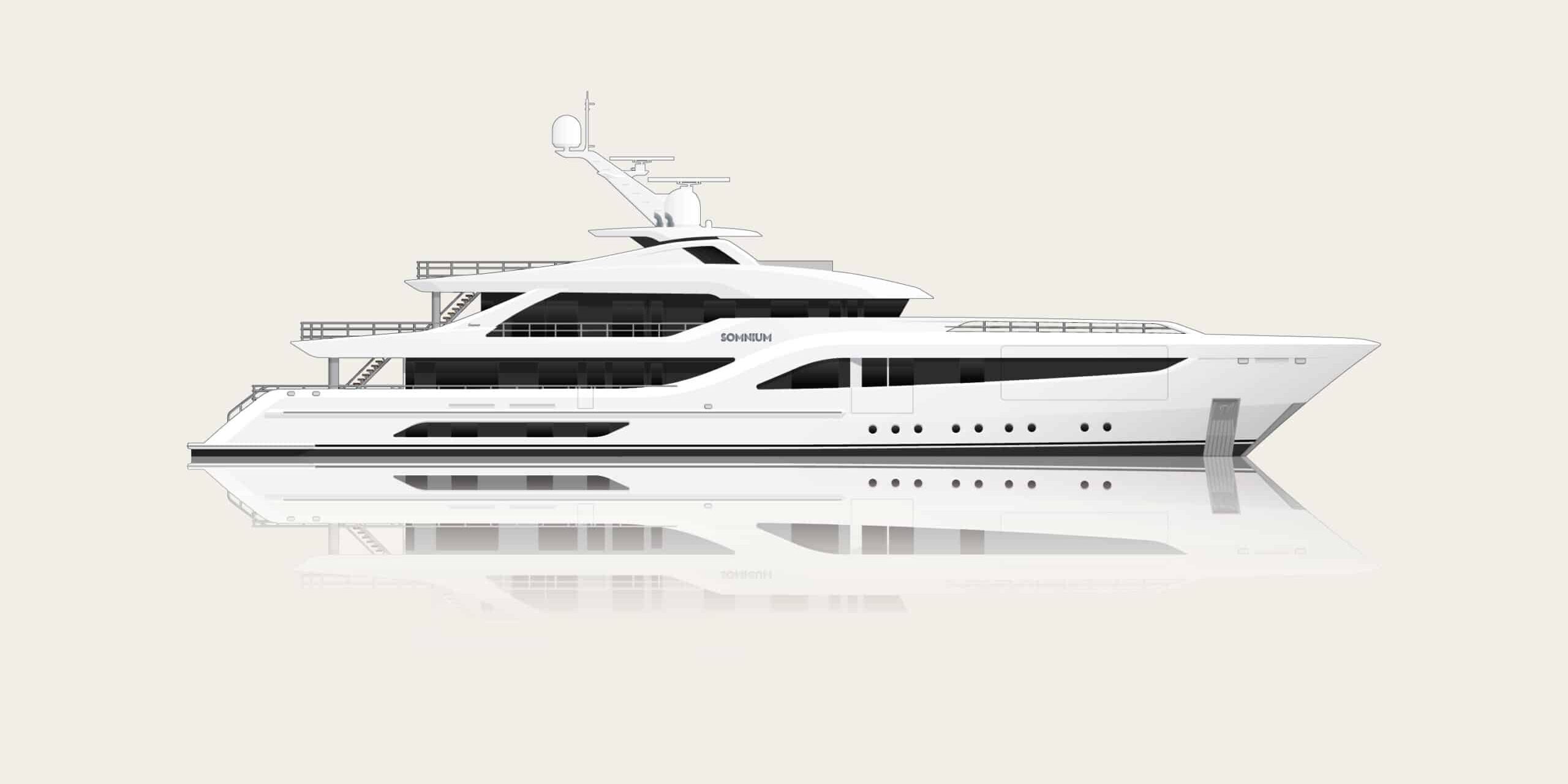
Large superyacht charters (50m+) form a premium segment of the market, appealing to clients seeking space, luxury amenities, stability, and extended range. A ban would disrupt popular French itineraries in the Côte d’Azur, Saint-Tropez, Cannes, and beyond—iconic destinations for summer charters.
- Charter operators and brokers could face reduced availability in one of the world’s most desirable regions, potentially leading to higher demand (and prices) elsewhere or last-minute itinerary changes.
- Clients might encounter fewer options for French Riviera experiences, affecting bookings that combine glamour, events like the Monaco Grand Prix or Cannes Film Festival, and cultural excursions.
- Broader ripple effects include impacts on crew employment, provisioning, refit services, and local luxury suppliers tied to the charter economy.
The global superyacht charter market is resilient but sensitive to regulatory shifts. Many vessels in this size range already balance private use with occasional charter to offset costs; restrictions could complicate hybrid operations.
The Scale: Yachts Below 50m Remain Unaffected
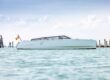
Importantly, the proposal targets only vessels 50 meters and above. The vast majority of the superyacht fleet would be untouched.
Global estimates place the number of superyachts (typically 24m+) in the thousands, with the 30m+ active fleet around 6,000 or more. Vessels in the 40-50m “sweet spot” are particularly popular for their balance of luxury, maneuverability, and operational efficiency—representing a significant portion of sales and charters. Mid-size superyachts (under 50m) dominate many markets and would continue seamless access to French ports.
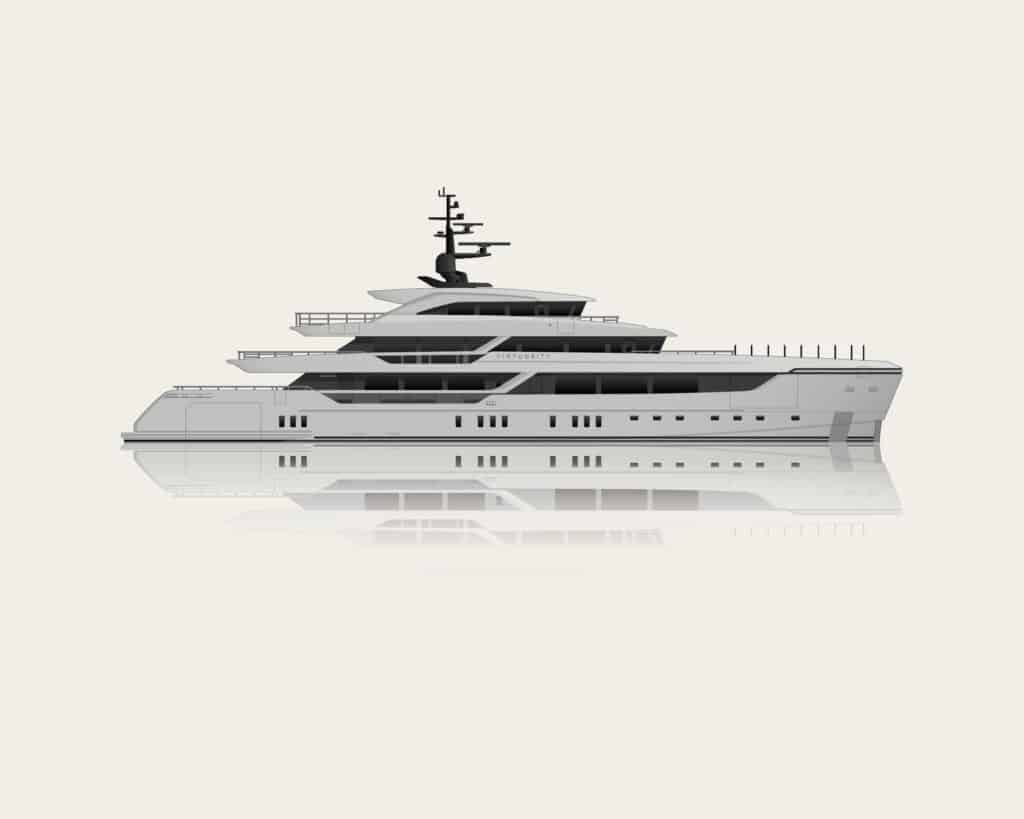
This threshold means the ban would affect a smaller subset of ultra-luxury megayachts while leaving broader yachting activity intact—though ports might still feel secondary effects from reduced high-end traffic.
Positive and Negative Impacts on Ports and Local Economies
Potential positives (from the proposal’s perspective):
- Reduced environmental footprint in sensitive coastal areas, aligning with climate goals.
- Possibly less congestion in busy harbors.
Significant Negatives
- Economic loss: Superyachts are major economic drivers. A single large vessel can inject millions annually into local economies through berthing, fuel, provisioning, maintenance, crew spending, and tourism. France’s nautical sector supports tens of thousands of jobs and billions in activity; the grande plaisance segment alone contributes substantially.
- Ports like those in Antibes, Monaco-adjacent areas, or Saint-Tropez could see declining revenue and prestige. Historical examples, such as size limits in Naples, have already led to disappointment among owners and lost opportunities.
- Reputational harm: France risks being viewed as less welcoming, pushing investment and activity to competitors.
Lessons from the Bahamas: When Restrictions Backfire
The Bahamas provides a clear cautionary tale. In 2025, increased cruising permit fees, a 14% VAT on charters (10% VAT + 4% port fees), and stricter protocols led to sharp declines:
- Boat traffic dropped ~40%.
- Marina occupancy fell 20-25%.
- The 2026 Charter Yacht Show was canceled due to plummeting registrations (from ~80 to under 20 boats).
- Charter operators shut down; hundreds of vessels left the registry; economic losses reached tens of millions (one estimate: $90M revenue loss from charters alone).
Local businesses in provisioning, hospitality, and marinas suffered. The government responded with reviews and adjustments (e.g., new permit tiers effective April 2026), but damage to reputation and market share was done. Yachts diverted to places like Puerto Rico or Colombia. Similar luxury taxes elsewhere (e.g., U.S. in the 1990s) also reduced sales and jobs before being repealed.
Restrictions aimed at revenue or environmental goals can deter high-spending visitors, resulting in net losses. Collaborative, targeted measures (e.g., incentives for greener tech) often prove more effective than outright bans.
Alternative Locations for Large Superyachts
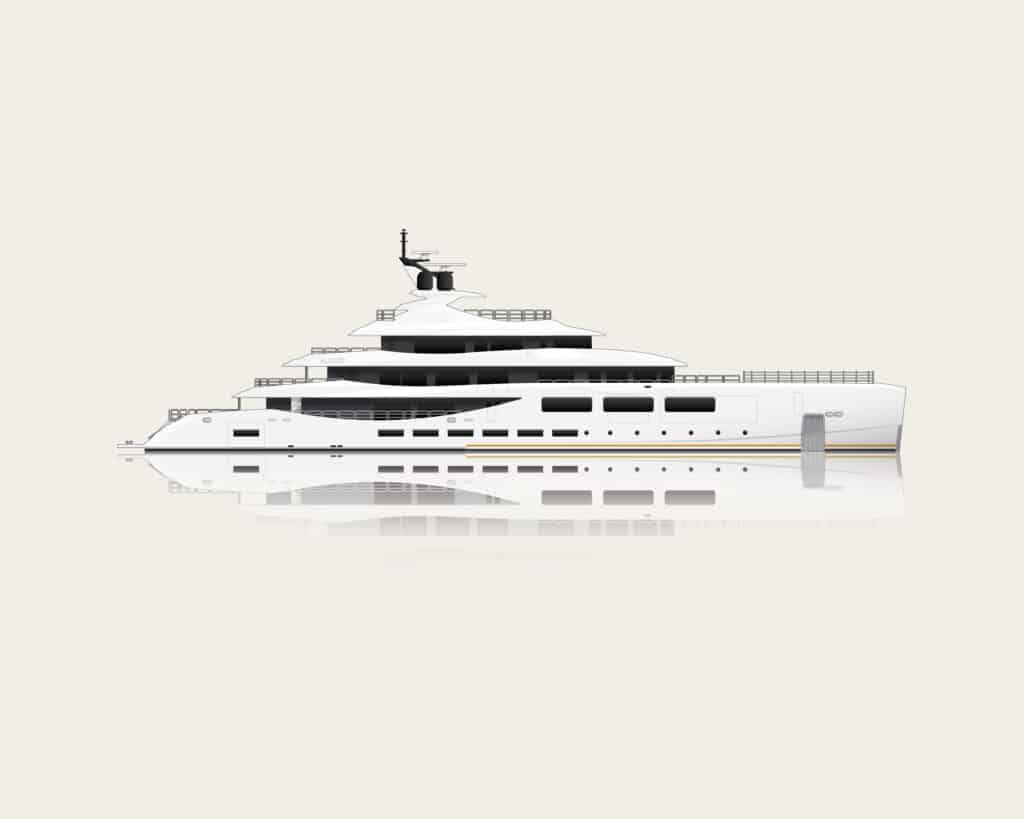
Owners and charter clients have options. The Mediterranean remains vibrant, with shifts already occurring toward the Eastern Med and other welcoming destinations:
- Italy (e.g., Sardinia, Amalfi, Port Adriano in Mallorca influences): Strong infrastructure, though regulations vary.
- Greece: Growing superyacht facilities (e.g., Athens marinas up to 130m+), beautiful islands, competitive fees.
- Croatia, Montenegro (Porto Montenegro): Deep-water berths for large vessels, lower taxes in some areas, stunning scenery.
- Spain (Balearics, Costa del Sol): Modern marinas like Puerto Banús.
- Turkey’s Turquoise Coast: Increasing popularity with hundreds of visiting superyachts annually, diverse cruising grounds.
- Further afield: Caribbean adjustments, Middle East, or Pacific options for repositioning.
Many large yachts already rotate seasons flexibly. A French ban could accelerate diversification.
Looking Ahead: A Call for Balanced Yachting
At Troyer Yachts, we believe in sustainable luxury yachting that supports economies, innovation (e.g., hybrid/eco technologies), and unforgettable experiences. Punitive measures risk harming the very communities they aim to protect, as seen in the Bahamas.
We will monitor this proposal closely and advocate for sensible policies. For clients with vessels over 50m, now is an excellent time to explore flexible itineraries, alternative bases, or under-50m options that align with your preferences without disruption.
Whether chartering a mid-size gem unaffected by the proposal or planning around potential changes, our team is here to curate seamless voyages.
Contact Troyer Yachts to discuss options tailored to your needs.
Email: info@troyeryachts.com
Phone: +1 (954)732-0339
Stay informed, sail responsibly, and embrace the freedom of the seas.